
MEN Workshops from 1984 to today
Hereditary Endocrine Tumours:
Current State-of-the-art And Research Opportunities
Author: Elizabeth Grubbs, Daniel Halperin , Steven G. Waguespack and Robert F. Gagel
Departments of Surgical Oncology, GI Medical Oncology, and Endocrine Neoplasia and Hormonal Disorders, University of Texas MD Anderson Cancer Center, Houston, Texas
ABSTRACT
The multiple endocrine neoplasia (MEN) workshops had their beginnings at Queen’s University in Kingston, Ontario in June 1984. This initial meeting brought clinicians and scientists together to focus on mapping the gene for multiple e ndocrine neoplasia type 2 (MEN2). These efforts culminated in the identification of the RET protooncogene as the causative gene a decade later. Over the next 35 years th ere were a total of 16 international workshops focused on the several MEN syndromes. Importantly, these workshops were instrumental in efforts to define the molecular basis for multiple endocrine neoplasia type 1 (MEN1), MEN2, von Hippel-Lindau disease (VHL), Carney Complex, hereditary pheochromocytoma and hyperparathyroidism. In this same spirit some 150 scientists and clinicians met at MD Anderson Cancer Ce nter, 27–29 March 2019, for the 16th International Workshop on Multiple Endocrine Neoplasia (MEN2019). Appropriate to its location in a cancer centre, the workshop fo cused on important issues in the causation and treatment of malignant aspects of the MEN syndromes: medullary thyroid carcinoma, pancreatic neuroendocrine tumours, malignant pheochromocytoma and parathyroid carcinoma. Workshops at the meeting focused on a better understanding of how the identified molecular defects in these genetic syndromes lead to transformation, how to apply targeted kinase inhibitors and immunotherapy to treat these tumours and important clinical management issues. This issue of Endocrine-Related Cancer describes these discussions and recommendations.
OVERVIEW
The multiple endocrine neoplasia syndromes are a varied group of disorders that include multiple endocrine neoplasia types 1 and 2 (MEN 1, MEN 2), von Hippel- Lindau (VHL) disease , Carney complex (CC), hereditary pheochromocytoma/paraganglioma, pituitary adenomas, and parathyroid tumours. The association of multiple endocrine neoplasms was first recognized after the publication of case reports and small series throughout the first half of the 20th century. However, it was not until the post-World War II explosion of biomedical research that these syndromes were better defined and categorized and their hereditary etiology elucidated. As each of these syndromes became better characterized, it also became clear that nonendocrine neoplastic manifestations occurred with some regularity. In 1953, Underdahl and colleagues (Underdahl et al. 1953) described eight cases of the syndrome we now know as MEN1, and Wermer and colleagues subsequently documented its autosomal dominant inheritance (Wermer 1954). In 1961, John Sipple identified a patient with thyroid cancer and pheochromocytoma and reviewed case reports from the literature providing the first clear description of MEN2A (Sipple 1961). E D Williams collated the clinical features of MEN 2B in 1966 (Williams & Pollock 1966). The ophthalmologic manifestations of von Hippel- Lindau disease were first reported by Eugen von Hippel, and the syndrome was more completely described by Arvid Lindau (Huntoon et al. 2015). Carney complex was first fully characterized by J Aiden Carney in 1985 (Carney et al. 1985), although earlier descriptions exist. Others have described the multiple heritable causes of primary hyperparathyroidism (Marx & Goltzman 2019), pituitary tumours (Tatsi & Stratakis 2019) and pheochromocytoma/ paraganglioma (Crona et al. 2017). Beginning in the 1960s, there was the confluence of hormone discovery and characterization of clinical and genetic information that permitted the development of the current classification of MEN syndromes. Several characteristics became clear. First, endocrine features dominated each of these clinical syndromes, but there were also non-endocrine manifestations. For example, the identification of angiofibromas, collagenomas, meningiomas, ependymomas, leiomyomas and lipomas in MEN 1 (Darling et al. 1997); mucosal neuromas, skeletal abnormalities, gastrointestinal disorders (Rashid et al. 1975), and cutaneous lichen amyloidosis in MEN2 (Gagel et al. 1989); and renal cell carcinoma, pancreatic/renal cysts, endolymphatic sac tumours, and reproductive system cystadenomas in VHL broadened the clinical features of these syndromes (Huntoon et al. 2015). It also became clear that, for each of these syndromes, there was a pattern of autosomal-dominant inheritance. Indeed, it was the opportunity to map these genes in wellcharacterized kindreds that led to the first MEN workshop in 1984.
Development of the MEN workshops
The first MEN workshop, with a singular focus on MEN2, was held at Queen’s University in Kingston, Ontario, a delightful lakefront city in southern Canada (Table 1). It was organized by two geneticists (Nancy E Simpson, PhD of Queen’s University and Charles E Jackson, MD of the Henry Ford Hospital) to bring together clinicians caring for MEN2 families and gene mappers (Jackson 1984). The major purpose of this workshop, attended by fewer than 50 participants, was to facilitate identification of the MEN2 gene. The meeting included a series of short lectures, but was dominated by workshops in which clinicians and geneticists assembled and discussed family trees of the kindreds with MEN 2. At its conclusion, a clear strategy for mapping the causative gene was outlined. The enthusiasm generated by this meeting led Bruce Ponder of Cambridge University to organize the second MEN meeting at Jesus College in Cambridge 2 years later (Ponder 1987). The close collaboration catalyzed by these meetings, together with execution of the strategy collectively generated, led to the identification of missense RET proto-oncogene mutations in MEN 2 in 1993 (Mulligan et al. 1993, Donis- Keller et al. 1993). This success led to subsequent meetings that focused not only on MEN2, but also on MEN1 and other hereditary endocrine tumour syndromes. For example, Magnus Nordensköld and his colleagues at the Karolinska Institute in Stockholm, Sweden, organized the 3rd MEN workshop in the Stockholm archipelago that included MEN 1 as a focus (Nordenskjöld et al. 1995). Each of the subsequent meetings focused on development of a better understanding of the causation of these syndromes and the integration of new information into the clinical management of affected families. One specific example is the 1999 Gubbio meeting, organized by Maria Luisa Brandi, where participants agreed upon strategies for the use of genetic testing in the clinical management of MEN syndromes, leading to another landmark publication that continues to guide clinical practice over 20 years later (Brandi et al. 2001). The best of these meetings were forward looking with the goal of using science to advance the field. An example is the 2004 MEN workshop in Bethesda, Maryland, sponsored by Steven Marx and Constantine Stratakis (Stratakis & Marx 2004), that drew upon the extensive resources of the United States National Institutes of Health to stimulate scientific discussions that applied new technology to the MEN syndromes. With the accelerating pace of scientific progress, subsequent MEN meetings shifted their focus to the many questions that were being answered in the field, rather than those that still needed to be asked. While there has been much progress in identifying the causative germline DNA pathogenic variants, insight into how these genes transform the particular endocrine cell type is, in general, lacking. This lack of clarity regarding subsequent events in the transformation process has hindered development of therapeutic efforts for metastatic tumours, causing our field to lag behind many other areas of oncology. Additionally, the rarity and heterogeneity of this patient population yield specific challenges that require particularly focused and coordinated efforts among all stakeholders. It was therefore our goal for the 2019 Houston MEN meeting to reinvigorate the field by returning the focus to the unknown and restructuring it to emphasize robust discussion and foster international and multidisciplinary collaboration.
We had three specific goals:
- To focus primarily on four malignant components of the MEN syndromes: medullary thyroid carcinoma, pancreatic neuroendocrine tumours, metastatic pheochromocytoma/paraganglioma and parathyroid cancer.
- To re-energize the workshop concept – greater than 25% of the meeting time was spent in smaller working groups that focused on the important questions and unknown aspects of the particular genetic syndrome.
2a. A sub-goal of the working groups was to disseminate summary statements from the leading edge of the field via position papers that outlined the important basic and clinical questions for the tumour/tissue type and strategies to answer these questions. - To bring expertise in molecular oncology, immunotherapy, and therapeutics from the University of Texas MD Anderson Cancer Center to contribute to the discussion and provide possible pathways to answer important questions. To accomplish these goals, approximately 40% of the meeting was specifically dedicated to working groups led by senior scientists and clinicians in the field. They were tasked with the goal of creating a roadmap for the future.
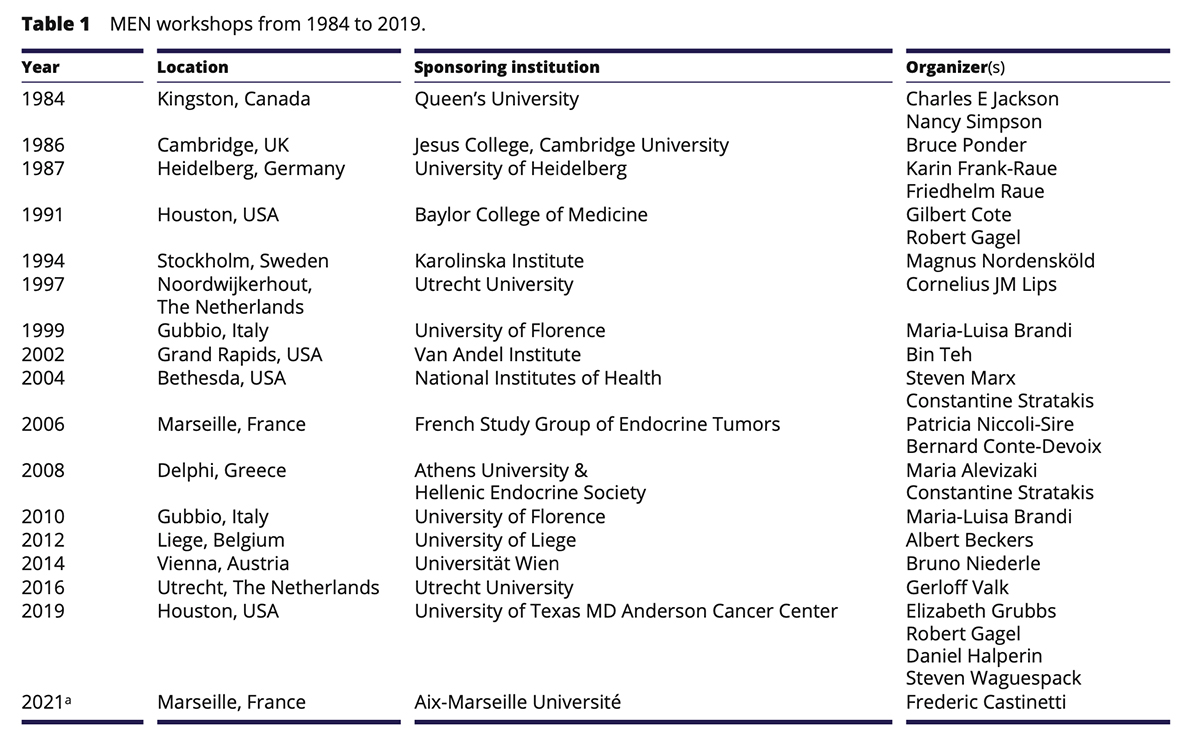
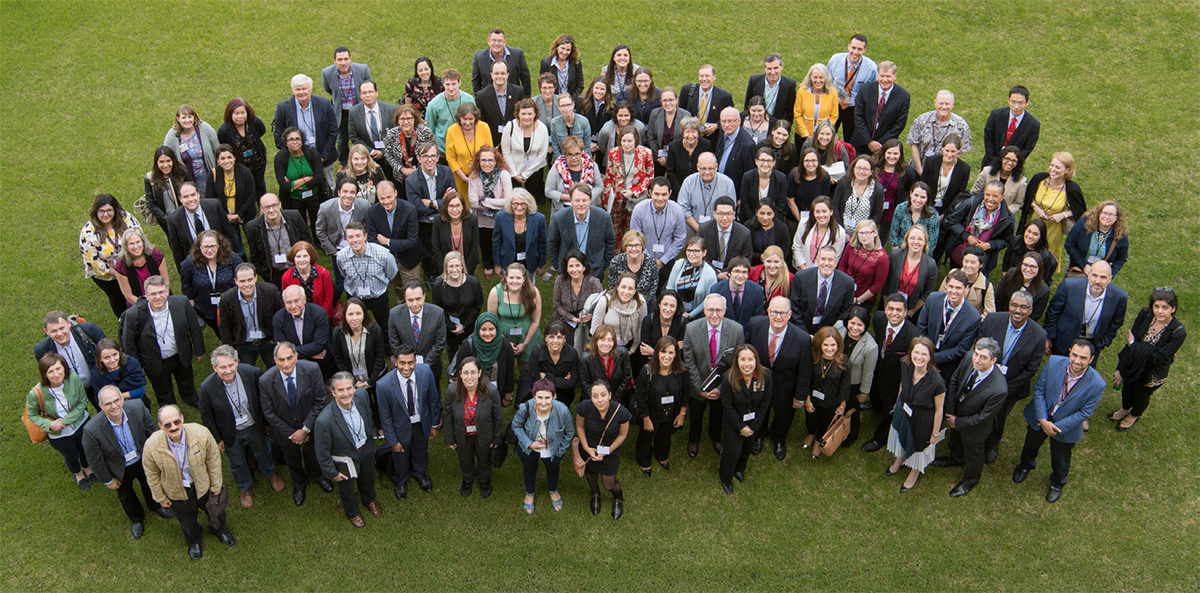
Figure 1 – Photograph of participants in the 16th International Workshop on Multiple Endocrine Neoplasia (MEN2019), 27–29 March 2019, University of Texas MD Anderson Cancer Center, Houston, TX, USA.
Leaders were charged 9 months in advance to identify the key questions for each of the four malignant tumour types and how best to address them. This stimulated advance preparation, further focusing the discussion at the in-person MEN meeting. Following the meeting, the leaders were requested to collate the important and unresolved issues in their respective disease site and to formulate a set of goals and a 5-year plan for achieving these goals. A 5th working group that comprised genetic counseling experts in the field was also organized to focus on the challenges and opportunities in the management of patients and families affected by a hereditary endocrine neoplasia syndrome (Fig. 1). This issue of Endocrine-Related Cancer includes manuscripts that summarize the disease-specific and genetic counseling working group discussions provide an update regarding current knowledge of the benign and malignant endocrine manifestations of the MEN syndromes, and outline opportunities for future research. Additional manuscripts in this special issue are focused on long-term follow-up of prophylactic thyroidectomy in the 1st family systematically screened for hereditary MTC, the genetics and clinical manifestations of familial-isolated pituitary adenomas and gigantism and the functional roles of AIP and GPR101 in pituitary tumorigenesis. As the chairs of the 2019 Houston meeting, we recognize that these proceedings could be used by scientific leaders in North and South America, Europe, Asia and Australasia to formulate national research strategies, and it is our intent that these forwardlooking manuscripts will help to align investigators with national and international funding organizations so that research can proceed towards our vision of meaningfully improving the lives of patients with hereditary endocrine neoplasia syndromes. It is our hope that a spark of international and multidisciplinary collaboration on MEN research was ignited in Houston and that the pace of discovery will be accelerated as we look forward to Marseilles (MEN2021; https://www.worldmen2021.com) and beyond.
Declaration of interest
The authors declare that there is no conflict of interest that could be perceived as prejudicing the impartiality of this editorial.
Funding
This work did not receive any specific grant from any funding agency in the public, commercial, or not-for-profit sector.
References
Brandi ML, Gagel RF, Angeli A, Bilezikian JP, Beck-Peccoz P, Bordi C, Conte-Devolx B, Falchetti A, Gheri RG, Libroia A, et al. 2001 Guidelines for diagnosis and therapy of MEN type 1 and type 2. Journal of Clinical Endocrinology and Metabolism 86 5658–5671. (https://doi.org/10.1210/jcem.86.12.8070)
Carney JA, Gordon H, Carpenter PC, Shenoy BV & Gov LW 1985 The complex of myxomas, spotty pigmentation, and endocrine overactivity. Medicine 64 270–283.
Crona J, Taieb D & Pacak K 2017 New perspectives on pheochromocytoma and paraganglioma: toward a molecular classification. Endocrine Reviews 38 489–515. (https://doi.org/10.1210/ er.2017-00062)
Darling TN, Skarulis MC, Steinberg SM, Marx SJ, Spiegel AM & Turner M 1997 Multiple facial angiofibromas and collagenomas in patients with multiple endocrine neoplasia type 1. Archives of Dermatology 133 853–857. (https://doi.org/10.1001/ archderm.1997.03890430067009)
Donis-Keller H, Dou S, Chi D, Carlson KM, Toshima K, Lairmore TC, Howe JR, Moley JF, Goodfellow P & Wells SA Jr 1993 Mutations in the RET proto-oncogene are associated with MEN 2A and FMTC. Human Molecular Genetics 2 851–856. (https://doi.org/10.1093/ hmg/2.7.851)
Gagel RF, Levy ML, Donovan DT, Alford BR, Wheeler T & Tschen JA 1989 Multiple endocrine neoplasia type 2a associated with cutaneous lichen amyloidosis. Annals of Internal Medicine 111 802–806. (https://doi.org/10.7326/0003-4819-111-10-802)
Huntoon K, Oldfield EH & Lonser RR 2015 Dr. Arvid Lindau and discovery of von Hippel-Lindau disease. Journal of Neurosurgery 123 1093–1097. (https://doi.org/10.3171/2015.1.JNS131963)
Jackson CE 1984 The First International Workshop on Multiple Endocrine Neoplasia Type 2 syndromes. Henry Ford Hospital Medical Journal 32 217–218.
Marx SJ & Goltzman D 2019 Evolution of our understanding of the hyperparathyroid syndromes: a historical perspective. Journal of Bone and Mineral Research 34 22–37. (https://doi.org/10.1002/jbmr.3650)
Mulligan LM, Kwok JB, Healey CS, Elsdon MJ, Eng C, Gardner E, Love DR, Mole SE, Moore JK, Papi L, et al. 1993 Germ-line mutations of the RET proto-oncogene in multiple endocrine neoplasia type 2A. Nature 363 458–460. (https://doi.org/10.1038/363458a0)
Nordenskjöld M, Hamberger B & Öberg K 1995 Advances in multiple endocrine neoplasia type 1. Journal of Internal Medicine 238 232.
Ponder BA 1987 The second international workshop on multiple endocrine neoplasia type 2 syndromes. Henry Ford Hospital Medical Journal 35 93–94.
Rashid M, Khairi MR, Dexter RN, Burzynski NJ & Johnston CC Jr 1975 Mucosal neuroma, pheochromocytoma and medullary thyroid carcinoma: multiple endocrine neoplasia type 3. Medicine 54 89–112. (https://doi.org/10.1097/00005792-197503000-00001)
Sipple JH 1961 The association of pheochromocytoma with carcinoma of the thyroid gland. American Journal of Medicine 31 163–166. (https://doi.org/10.1016/0002-9343(61)90234-0)
Stratakis CA & Marx SJ 2004 Abstracts for the 9th International Workshop on Multiple Endocrine Neoplasia (lMEN 2004). Journal of Internal Medicine 255 696–730. (https://doi. org/10.1111/j.1365-2796.2004.01343.x)
Tatsi C & Stratakis CA 2019 The genetics of pituitary adenomas. Journal of Clinical Medicine 9 30. (https://doi.org/10.3390/jcm9010030)
Underdahl LO, Woolner LB & Black BM 1953 Multiple endocrine adenomas: report of 8 cases in which the parathyroids, pituitary and pancreatic islets were involved. Journal of Clinical Endocrinology and Metabolism 13 20–47. (https://doi.org/10.1210/jcem-13-1-20)
Wermer P 1954 Genetic aspects of adenomatosis of endocrine glands. American Journal of Medicine 16 363–371. (https://doi. org/10.1016/0002-9343(54)90353-8)
Williams ED & Pollock DJ 1966 Multiple mucosal neuromas with endocrine tumors: a syndrome allied to von Recklinghausen’s disease. Journal of Pathology and Bacteriology 91 71–80. (https://doi. org/10.1002/path.1700910109)
17-20 June 1984, Kingston (Canada)
The 1th International Workshop on Multiple Endocrine Neoplasia Type 2 Syndromes
Year: 1984 | Location: Kingston (Canada) | Sponsoring institution: Queen’s University | Organizer: Charles E Jackson, Nancy Simpson
In an article in Foreign Affairs (1), Lewis Thomas emphasized that international cooperation in science is the finest model forwhat is needed in this world; “Science is the most communal of human endeavors.” The First international Workshop on Multiple Endocrine Neoplasia Type 2 (MEN-2) Syndromes held in June 1984 inciuded participants from eight countries and demonstrated on a small scale the kind of cooperative effort possible in science. Our wide-ranging discussions allowed for diverse opinions, and readily expressed disagreements were conducted without disagreeableness. Kingston, a beautiful city on the northeastern shore of Lake Ontario, was an excellent site for this workshop on MEN-2. All of the participants enjoyed the pleasant location and especially the hospitality of Drs. Nancy Simpson, Michael Partington, and other members of the local committee. Although the workshop lasted from Sunday, June 17 until Wednesday, June 20, time did not permit discussion of many of the important topics which had been suggested. However, arrangements are under way for a second international workshop to be held in England at Cambridge University, September 17-20,1986, with Dr. Bruce A.J. Ponder as chairman.** The organizers of the workshop are very grateful to the Henry Ford Hospital Medical Journal for the invitation to publish this important materiai. We thank the Editor, Dr. Raymond C. Mellinger, as well as Dr. Michaei Kleerekoper, Dr. Patricia L. Cornett, Ms. Connie D. Cryar and Ms. Pat Lind-Ackerson for bringing this issue to a clearer and more concise fruition. To open this issue. Dr. John Sipple provides historical perspectives on the initial description of the MEN-2 syndrome, which came to be known as the Sipple syndrome after his 1961 article was published (2). Following this paper. Dr. Kenneth Melvin provides a glimpse of the excitement associated with the first surgery performed solely on the basis of stimulated calcitonin results in members of one MEN-2 family. The section on regional studies contains a representative selection of papers describing the screening methods and registry systems developed by groups throughout the world to detect patients with MEN-2 and MTC. Dr. Margareta Telenius-Berg and her colleagues evaluated screening of large families in Sweden for over 16 years. Dr. Bruce Ponder describes the collaborative efforts in the United Kingdom to form a register of families with MEN-2 for the purposes of setting up a country-wide screening program and coordinating ongoing research. A centralized registry in Holland that ensures the continuity of screening for at-risk individuals is also the subject of the article by Dr. C. J. M. Lips and his associates.
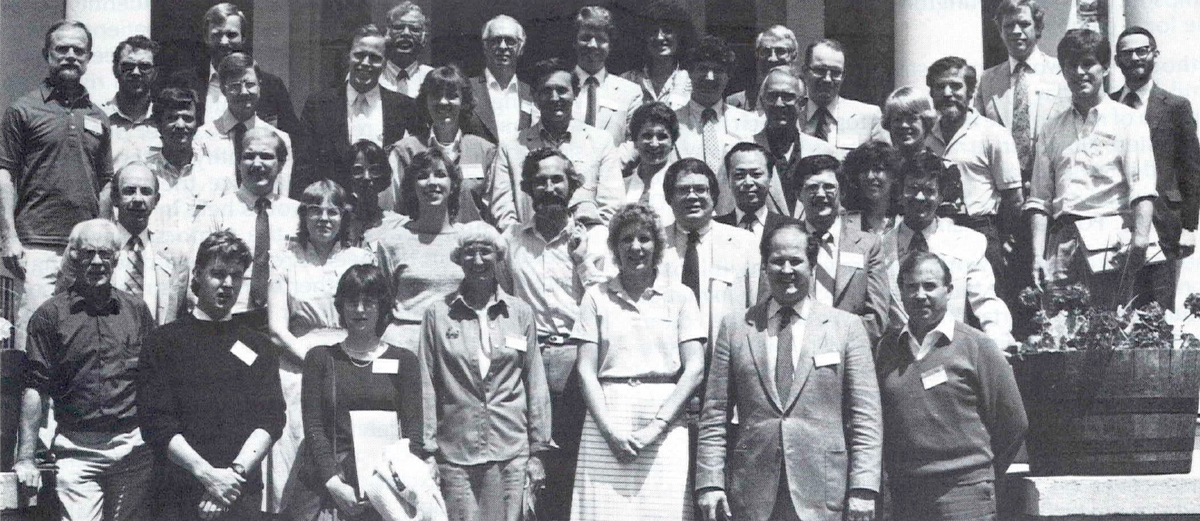
Participants in the First International Workshop on MEN-2 Syndromes, June 1984, Kingston, Ontario
Other worldwide experiences with screening methods and studies of MEN-2 families are presented in papers by Drs. Emmertsen (Denmark), Noli, et al (New England), Takai, et ai Oapan), and Verdy, et ai (French Canada). The next section on MEN-2 research opens with a discussion by Dr. Sisson and his colleagues from the University of Michigan on the use of scintigraphy to detect pheochromocytomas in MEN-2 patients. Research has aiso been directed toward methods for identifying the at-risk population for screening. For patients with a famiiy history of the disease, the first-degree relatives (parents, siblings and children) have a 50% risk of developing the autosomal dominantly inherited tumors, while more distant relatives have a lower but stiil considerable risk. A method of identifying those relatives with the genotype would reduce the numbers who need to be screened and would help in understanding the mutation that causes the tumors. Hence, considerable effort has been directed toward searching for a marker of the gene either by demonstration of some chromosome abnormality or of a closely linked marker gene. In this issue. Dr. Daniel Van Dyke, et al present additional evidence to that already published by his group for an interstitial deletion of chromosome 20, and Drs. Takai, Verdy, Kidd, and their associates contributed new linkage exclusion data for a number of marker genes. Drs. Lips, Steenburgh, et al demonstate how tumor tissue from MEN-2 patients can be used with newer recombinant DNA technology to elucidate the structure of the genes for calcitonin production and for other hormones produced by these neoplasms. Next, Dr. Nancy Simpson, Guest Co-Editor for this special workshop issue, in an editorial review discusses the rationale for studying linkage of MEN-2 with marker genes and the inconsistency between her own group’s results from linkage studies using a DNA marker and the deletion findings on chromosome 20. Finally, Dr. John Mulvihill discusses the muitipie endocrine neoplasias within a broader epidemiological framework that inciudes a number of other hereditary cancers.
Guest Co-Editor
Charles E. Jackson, MD (Chief, Clinical Genetics Division, Department of Medicine, Henry Ford Hospital)
* Ed. note: A glossary of terms used throughout this issue is provided at the end of this introduction.
** Information can be obtained from Dr, Ponder at the Institute of Cancer Research, Royal Cancer Hospital, The Haddow Laboratories, Clifton Avenue, Sutton, Surrey, England SM2 SPX.
References
1. Thomas L. Scientific frontiers and national frontiers: A look ahead Foreign Affairs 1984;63:966-94.
2. Sipple JH. The association of pheochromocytoma with carcinoma of the thyroid gland. Am ] Med 1961;31:163-6.
17-20 September 1986, Cambridge (UK)
The 2th International Workshop on Multiple Endocrine Neoplasia Type 2 Syndromes
Year: 1986 | Location: Cambridge (UK) | Sponsoring institution: Jesus College, Cambridge University | Organizer: Bruce Pender
Multiple endocrine neoplasia syndromes “have an importance far beyond their low frequency in the population… understanding the precise pathogenesis ofeach syndrome might weU provide insight into the cause of hereditary malignant disease in particular and carcinogenesis in general.”
R. Neil Schimke (N Engl J Med 1986,314:1316)
The Second Intemational Workshop on Multiple Endocrine Neoplasia Type 2 (MEN-2) Syndromes was held in Cambridge, England, on September 17 to 20, 1986. The first workshop held in Kingston, Ontario, in 1984, had over 40 participants from eight countries and allowed an exchange of ideas and wide discussion as a stimulus to research in this field. It is evidence of an increasing interest in MEN-2 that the Second Workshop attracted over 75 participants* from 14 countries. Friendly wide-ranging discussion and evidence of intemational cooperation in research were notable features of both workshops. The material from the first workshop, published in a 1984 issue of the Henry Ford Hospital Medical Journal, received much favorable attention, and the participants from the second workshop were invited to submit their manuscripts to this 1987 issue. Although many participants had obligated their material to other joumals, the manuscripts published here provide good examples of the family screening and clinical studies (pp 94-132) and of the pathology and cell biology studies (pp 133-156) being performed on MEN-2 throughout the world. The rapidly expanding application of molecular biology technology (pp 157-171) provides much optimism that the next workshop planned for Heidelberg in 1989** will include reports of the actual MEN-2 gene localization and the exciting possibilities resulting from such findings. Actually the sharing of ideas and data from the workshop and the collaboration arranged between participants have already resulted in the localization of the MEN-2A gene to chromosome 10 (1,2). The contributions of the following organizations to the second workshop have been greatly appreciated: the Cancer Research Campaign (London); the Dykstra Foundation; Novo Industri A/S; Celltech; Janssen Life Sciences Products; and Northumbria Biologicals, Ltd. We are grateful to the Henry Ford Hospital Medical Journal for publishing this material. We thank the editor. Dr. Raymond C. Mellinger, as well as Sarah Whitehouse and Susan MacPhee for bringing the issue to a clear, concise fmition.
Guest Co-Editor
Bruce A. J. Ponder, MD (Mnstitute of Cancer Research, Haddow Laboratories, Surrey, England)
Charles E. Jackson, MD (Departmenl of Medicine, Clinical Genetics Division, Henry Ford Hospital)
*Although the participants were greeted in Cambridge by the coldest September in over 40 years, each was impressed with Cambridge and the beautiful surrounding countryside and especially with the warm hospitality of Bruce A, J, Ponder and the organizing committee composed of R,K, Craig, J,R, Famdon, D, Heath, J, Stevenson, E,D, Williams, and Jean Miller (secretary), (CEJ).
** Arrangements are being made for a Third Intemational Workshop on MEN-2 to be held in Heidelberg, West Germany, in October 1989, The program will include prcsentarions on the screening, genetic, and clinical problems and pathological and molecular cell biologic aspects of MEN-2, For further information contact Dr Friedhelm Raue. Medizinische Klinik, Universitat Heidelberg. Bergheimerstr, 58, 6900 Heidelberg, W Germany.
References
1. Mathew CGP. Chin KS. Easton DF. et al. A linked genetic marker for multiple endocrine neoplasia type 2A on chromosome 10. Nature 1987:328:527-8.
2. Simpson NE, Kidd KK, Goodfellow PJ, et al. Assignment of multiple endocrine neoplasia type 2A to chromosome 10 by linkage. Nature 1987; 328:528-30.
28-30 September 1989, Heidelberg (Germany)
The 3th International Workshop on Multiple Endocrine Neoplasia Type 2 Syndromes
Year: 1989 | Location: Heidelberg (Germany) | Sponsoring institution: University of Heidelberg | Organizer: Karin Frank-Raue, Friedhelm Raue
Science is the most communal of human endeavors
Lewis Thomas (Foreign Affairs 1984;63:966-94)
The Third International Workshop on Multiple Endocrine Neoplasia Type 2 (MEN 2) was held in Heidelberg, West Germany, September 28-30, 1989. The first workshop, held in Kingston, Ontario, in 1984, had over 40 parficipants from eight countries (1), and the second workshop, hetd in Cambridge, England, September 17-20, 1986, attracted over 75 participants from 14 countries (2). The friendly, wide-ranging discussions allowed an exchange of ideas which has provided a stimulus to research in this field and to the intemational collaboration which has contributed significantly to the progress not onty in understanding this rare hereditary malignant disease but atso in our understanding of carcinogenesis in general. This third workshop, with over 92 participants from 18 countries, was characterized by the same friendly collegiality and international cooperation.*
At the time of the second workshop in Cambridge in 1986, the gene for MEN 2 had not yet been localized. Largely due to collaboration arranged through these workshops, the localization of the gene to chromosome 10 was reported the following year by two groups composed of many of the participants of these workshops (3,4). Because of these major advances, it seemed appropriate to begin this issue with the article by Simpson and Kidd entitled “Closing in on the MEN2A Locus” (pp 100-105) followed by other genetic papers directed toward further localizafion of the gene(s) and the applications of these findings in clinical situations and in understanding the mechanisms of tumor initiation and progression (pp 106-119). Although some participants had obtigated their materiat to other joumals, the manuscripts published here provide examples of the family screening and clinical studies (pp 120-166), imaging technique studies (pp 167-184), and pathology and cell biology studies (pp 185-203) being perfonned on MEN 2 throughout the worid. Although abstracts of some of the additional material presented are published here (pp 204-209), other important papers and formal and informal discussions are not covered (for example, the report by N. T. Schulz and others from the US National Cancer Institute on the development of medullary thyroid cancers and pheochromocytomas in transgenic mice carrying the c-mos proto-oncogene [data to be published elsewhere in 1990]). The rapid progress in many aspects of MEN 2 provides exciting prospects for the next workshop to be held in Houston, Texas, in 1991.**
Financial contributions from the following organizations for the third workshop have been greatly appreciated: Deutsche Forschungsgemeinschaft, Bonn, West Germany; Deutsche Gesetlschaft fur Endokrinologie; Tumorzentmm Heidelberg, Mannheim, West Germany; Dykstra Foundation, Detroit, MI; Firma Henning Berlin GmbH, Berlin, West Germany; Firma Rorer, Bielefeld, West Germany; Firma Isotopen Diagnostik CIS, Dreieich. West Germany; Firma Amersham Buehler, Braunschweig, West Germany; and Firma IBL, Hamburg, West Germany.
Guest Co-Editor
Friedhelm Raue, MD (Department of internal Medicine, Endocrinology & Metabolism. University of Heidelberg, West Germany)
Charles E. Jackson, MD (Department of Intemal Medicine, Division of Clinical & Molecular Genetics, Henry Ford Hospital)
* Heidelberg provided a beautiful setting for the work.shop and the participants were impressed with the efficient organization and warm hospitality of Friedhelm Raue, Reinhard Ziegler, and their committees (CEJ).
** Arrangements are being made for the Fourth Intemational Workshop on MEN 2 to be held in Houston, Texas, in September or October 1991. For further information contact Dr Robert P. Gagel, Laboratory of MolecularandCelluIarEndocrinology (111E), Veterans Affairs Medical Center, 2002 Holcombe Blvd, Houston, TX 77030.
References
1. The First Intemational Workshop on Mulliple Endocrine Neoplasia Type 2 Syndromes. Henry Ford Hcsp MedJ 1984:32:217-82.
2. The Second Intemational ‘Workshop on Multiple Endocrine Neoplasia Type 2 Syndromes. Henry Ford Hosp Med J 1987:35:93-175.
3. Mathew COP, Chin KS, Easton DF, etal. A linked genetic marker for multiple endocrine neoplasia type 2A on chromosome 10. Nature 1987:328:527-8.
4. Simpson NE, Kidd KK, Goodfellow PJ. et al. A.ssignment of multiple endocrine neoplasia type 2A to chromosome 10 by linkage. Nature 1987;328:528-30.
3-5 October 1991, Houston (USA)
The 4th International Workshop on Multiple Endocrine Neoplasia Type 2 Syndromes
Year: 1991 | Location: Houston (USA) | Sponsoring institution: Baylor College of Medicine | Organizer: Gilbert Cote, Robert Gagel
Science is the most communal of human endeavors
Lewis Thomas (Foreign Affairs 1984;63:966-94)
The Fourth Intemational Workshop on Multiple Endocrine Neoplasia (MEN) was held at the Methodist Hospital, Houston, TX, October 3-5, 1991. This workshop was patterned on previous workshops held in Kingston, Ontario (1), Cambridge, England (2), and Heidelberg, Germany (3). Prior workshops focused exclusively on the MEN 2 syndrome. The Houston workshop brought together, for the first time, investigators and clinicians studying both MEN 1 and MEN 2 to compare and contrast investigative findings in these two interesting and important genetic cancer syndromes. That this was an intemational gathering was evidenced by the fact that investigators from five continents were present at this meeting, each presenting a unique view of these syndromes. A key focus of this meeting was the fostering of discussion and the development of collaborative efforts to localize further the primary genetic abnormalities for the.se two syndromes and to understand subsequent cellular events leading to disordered cellular growth. Although neither gene had been identified at the time of the Houston workshop, there was evidence of sustained progress toward localization which included more detailed mapping of the loci for MENl and MEN2 and identification of genomic clones from the disease gene regions. Several genes in these regions have been cloned and largely excluded as candidate genes, the first step in the process toward the identification of the disease genes. As a gesture of welcome to the investigators working on MEN 1, it seems appropriate to begin this issue of the Workshop Proceedings with an article by Larsson et al who describe progress toward identification of the MEN 1 gene. Other manuscripts from the major groups working on MEN 1 describe advances toward the localization of the gene, variant syndromes, tumor biology, and experience with clinical management ofthis syndrome. The second portion of this issue focuses on consolidation of information regarding the MEN 2 locus. Several groups are now screening libraries containing large segments of DNA from the chromosome 10 centromeric region. One candidate gene thought to be involved in regulation of the cell cycle has been examined and tentatively rejected as a candidate gene. Of particular significance to clinicians were the discussions of reoperation in the management of metastatic medullary thyroid carcinoma and the development of recommendations for the use of genetic screening information. There was a further expansion of information presented about MEN 2A/cutaneous lichen amyloidosis syndrome, a variant syndrome initially thought to be rare but now identified in at least eight families in diverse geographic locations. Although abstracts of some of the additional material presented are published here (pp. 312-318), other important papers and formal and informal discussions are not covered. In keeping with the friendly and cooperative spirit of these meetings, an ad hoc committee of MEN 2 investigators was formed to develop technical guidelines for use of DNA probes for genetic screening and to develop a mechanism by which new probes can be shared with interested investigators. The organizers of the Fourth MEN Workshop are particularly thankful to the Methodist Hospital and the Methodist Hospital Foundation for their financial support and for the beautiful facilities made available for this gathering.*
In addition, financial contributions for support of the Workshop were received from the Dykstra Foundation, Detroit, MI, and the Bin Mahfouz family of Saudi Arabia. We would also like to thank Sandoz Pharmaceuticals Corporation, Norwich Eaton Pharmaceuticals, CIBA-GEIGY Corporation, the Upjohn Company, Merck Sharp & Dohme, Nichols Institute, and Blackwell Scientific Publications for educational grants to support the Workshop. Finally, we look forward to the Fifth Intemational Workshop on Multiple Endocrine Neoplasia** to be held in the summer of 1994 in Stockholm, Sweden.
Guest Co-Editor
Robert F. Gagel, MD (Section of Endocrinology, M.D. Anderson Cancer Center, Houston, TX)
Charles E. Jackson, MD (Departmenl of Medicine, Clinical Genetics Division, Henry Ford Hospital)
* The participants were al.so appreciative of the organization of the workshop and impressed with the warm Texas hospitality of Dr. Gagel’s committee (CEI).
** For further information on the Fifth International Workshop on Multiple Endocrine Neoplasia, contact Magnus Nordenskjold, MD, Depai-tment of Clinical Genetics, Karolinska Hospital, PO Box 60500, S-l04 01, Stockholm, Sweden.
References
1. The First Intemational Workshop on Multiple Endocrine Neoplasia Type 2 Syndromes. Henry Ford Hosp Med J 1984;32:217-82.
2. The Second Intemational Workshop on Multiple Endocrine Neoplasia Type 2 Syndromes. Henry Ford Hosp Med J 1987;35;93-175.
3. The Third International Workshop on Multiple Endocrine Neoplasia Type 2 Syndromes. Henry Ford Hosp Med J 1989-,37;98-224.
29 June-1 July 1994, Stockholm (Sweden)
The 5th International Workshop on Multiple Endocrine Neoplasia Type 2 Syndromes
Year: 1994 | Location: Stockholm (Sweden) | Sponsoring institution: Karolinska lnstitute | Organizer: Magnus Nordensköld
Science is the most communal of human endeavors
Lewis Thomas (Foreign Affairs 1984;63:966-94)
The Fourth Intemational Workshop on Multiple Endocrine Neoplasia (MEN) was held at the Methodist Hospital, Houston, TX, October 3-5, 1991. This workshop was patterned on previous workshops held in Kingston, Ontario (1), Cambridge, England (2), and Heidelberg, Germany (3). Prior workshops focused exclusively on the MEN 2 syndrome. The Houston workshop brought together, for the first time, investigators and clinicians studying both MEN 1 and MEN 2 to compare and contrast investigative findings in these two interesting and important genetic cancer syndromes. That this was an intemational gathering was evidenced by the fact that investigators from five continents were present at this meeting, each presenting a unique view of these syndromes. A key focus of this meeting was the fostering of discussion and the development of collaborative efforts to localize further the primary genetic abnormalities for the.se two syndromes and to understand subsequent cellular events leading to disordered cellular growth. Although neither gene had been identified at the time of the Houston workshop, there was evidence of sustained progress toward localization which included more detailed mapping of the loci for MENl and MEN2 and identification of genomic clones from the disease gene regions. Several genes in these regions have been cloned and largely excluded as candidate genes, the first step in the process toward the identification of the disease genes. As a gesture of welcome to the investigators working on MEN 1, it seems appropriate to begin this issue of the Workshop Proceedings with an article by Larsson et al who describe progress toward identification of the MEN 1 gene. Other manuscripts from the major groups working on MEN 1 describe advances toward the localization of the gene, variant syndromes, tumor biology, and experience with clinical management ofthis syndrome. The second portion of this issue focuses on consolidation of information regarding the MEN 2 locus. Several groups are now screening libraries containing large segments of DNA from the chromosome 10 centromeric region. One candidate gene thought to be involved in regulation of the cell cycle has been examined and tentatively rejected as a candidate gene. Of particular significance to clinicians were the discussions of reoperation in the management of metastatic medullary thyroid carcinoma and the development of recommendations for the use of genetic screening information. There was a further expansion of information presented about MEN 2A/cutaneous lichen amyloidosis syndrome, a variant syndrome initially thought to be rare but now identified in at least eight families in diverse geographic locations. Although abstracts of some of the additional material presented are published here (pp. 312-318), other important papers and formal and informal discussions are not covered. In keeping with the friendly and cooperative spirit of these meetings, an ad hoc committee of MEN 2 investigators was formed to develop technical guidelines for use of DNA probes for genetic screening and to develop a mechanism by which new probes can be shared with interested investigators. The organizers of the Fourth MEN Workshop are particularly thankful to the Methodist Hospital and the Methodist Hospital Foundation for their financial support and for the beautiful facilities made available for this gathering.*
In addition, financial contributions for support of the Workshop were received from the Dykstra Foundation, Detroit, MI, and the Bin Mahfouz family of Saudi Arabia. We would also like to thank Sandoz Pharmaceuticals Corporation, Norwich Eaton Pharmaceuticals, CIBA-GEIGY Corporation, the Upjohn Company, Merck Sharp & Dohme, Nichols Institute, and Blackwell Scientific Publications for educational grants to support the Workshop. Finally, we look forward to the Fifth Intemational Workshop on Multiple Endocrine Neoplasia** to be held in the summer of 1994 in Stockholm, Sweden.
Guest Co-Editor
Robert F. Gagel, MD (Section of Endocrinology, M.D. Anderson Cancer Center, Houston, TX)
Charles E. Jackson, MD (Departmenl of Medicine, Clinical Genetics Division, Henry Ford Hospital)
* The participants were al.so appreciative of the organization of the workshop and impressed with the warm Texas hospitality of Dr. Gagel’s committee (CEI).
** For further information on the Fifth International Workshop on Multiple Endocrine Neoplasia, contact Magnus Nordenskjold, MD, Depai-tment of Clinical Genetics, Karolinska Hospital, PO Box 60500, S-l04 01, Stockholm, Sweden.
References
1. The First Intemational Workshop on Multiple Endocrine Neoplasia Type 2 Syndromes. Henry Ford Hosp Med J 1984;32:217-82.
2. The Second Intemational Workshop on Multiple Endocrine Neoplasia Type 2 Syndromes. Henry Ford Hosp Med J 1987;35;93-175.
3. The Third International Workshop on Multiple Endocrine Neoplasia Type 2 Syndromes. Henry Ford Hosp Med J 1989-,37;98-224.
26-28 June 1997, Noordwijkerhout (The Netherlands)
The 6th International Workshop on Multiple Endocrine Neoplasia Type 2 Syndromes
Year: 1997 | Location: Noordwijkerhout (The Netherlands) | Sponsoring institution: Utrecht University | Organizer: Cornelius JM Lips
Abstract
Lips CJM (University Hospital, Utrecht, The Netherlands). Clinical management of the multiple endocrine neoplasia syndromes: results of a computerized opinion poll at the Sixth International Workshop on Multiple Endocrine Neoplasia and von Hippel–Lindau disease (Minisymposium: MEN & VHL). J Intern Med 1998; 243: 589–94.
Objectives and design
In order to provide all participants of the Sixth International Workshop on Multiple Endocrine Neoplasia and von Hippel–Lindau Disease with the opportunity to express their opinion on medical, ethical and social issues on clinical management of these hereditary cancer syndromes, a meeting employing an interactive voting system was organized.
Results
In many aspects, the majority of the participants shared the same opinion. The following percentages of participants felt that, if a specific germline mutation is present in a definitely affected family member, DNA diagnosis should be performed in the offspring of this patient before the age of 10: 78% for MEN-1, 93% for MEN-2, and 71% for VHL. About 71% felt the clinical specialist should provide information about the consequences of DNA analysis and be responsible for disclosing the DNA test results and performing genetic counselling. If possible, selective surgery is preferred to maintain organ function. To make a complete diagnosis in a patient with an apparently sporadic tumour, 89% believed that mutation analysis of germline DNA is mandatory in order to investigate the possibility of inherited disease. In several areas, controversial opinions exist, depending on diversity in discipline, specific research area, experience in the field, and cultural and religious backgrounds. In particular, in vitro fertilization combined with pre-implantation genetic diagnosis is an area which attracts considerable emotion.
Conclusions
In order to avoid confusion in the families, explicit and common guidelines are needed for the identification, treatment and follow-up of individuals who have predisposing MEN or VHL mutations. Close collaboration between endocrinologists, oncologists, surgeons, pathologists, psychologists and geneticists is required in order to establish and verify such guidelines. Keywords: clinical management, computerized opinion poll, multiple endocrine neoplasia, von Hippel–Lindau disease.
Guest Co-Editor
Robert F. Gagel, MD (Section of Endocrinology, M.D. Anderson Cancer Center, Houston, TX)
C. J. M. Lips, MD (Department of Internal Medicine, University Hospital, Utrecht, The Netherlands)
* The participants were al.so appreciative of the organization of the workshop and impressed with the warm Texas hospitality of Dr. Gagel’s committee (CEI).
** For further information on the Fifth International Workshop on Multiple Endocrine Neoplasia, contact Magnus Nordenskjold, MD, Depai-tment of Clinical Genetics, Karolinska Hospital, PO Box 60500, S-l04 01, Stockholm, Sweden.
References
1. The First Intemational Workshop on Multiple Endocrine Neoplasia Type 2 Syndromes. Henry Ford Hosp Med J 1984;32:217-82.
2. The Second Intemational Workshop on Multiple Endocrine Neoplasia Type 2 Syndromes. Henry Ford Hosp Med J 1987;35;93-175.
3. The Third International Workshop on Multiple Endocrine Neoplasia Type 2 Syndromes. Henry Ford Hosp Med J 1989-,37;98-224.
30 June – 02 July 1999, Gubbio (Italy)
The 7th International Workshop on Multiple Endocrine Neoplasia Type 2 Syndromes
Year: 1999 | Location: Gubbio (Italy) | Sponsoring institution: University of Florence | Organizer: Maria Luisa Brandi
June 15-18 2002, Grand Rapids (USA)
The 8th International Workshop on Multiple Endocrine Neoplasia Type 2 Syndromes
Year: 2002 | Location: Grand Rapids (USA) | Sponsoring institution: Van Andel lnstitute | Organizer: Bin Teh
20-23 June 2004, Bethesda (USA)
The 9th International Workshop on Multiple Endocrine Neoplasia Type 2 Syndromes
Year: 2004 | Location: Bethesda (USA) | Sponsoring institution: National lnstitutes of Health | Organizer: Steven Marx, Constantine Stratakis
07-10 September 2006, Marseille (France)
The 10th International Workshop on Multiple Endocrine Neoplasia Type 2 Syndromes
Year: 2006 | Location: Marseille, France | Sponsoring institution: French Study Group of Endocrine Tumors | Organizer: Patricia Niccoli-Sire, Bernard Conte-Devoix
25-27 September 2008, Delphi (Greece)
The 11th International Workshop on Multiple Endocrine Neoplasia Type 2 Syndromes
Year: 2008 | Location: Delphi, Greece | Sponsoring institution: Athens University & Hellenic Endocrine Society | Organizer: Maria Alevizaki, Constantine Stratakis
16-18 September 2010, Gubbio (Italy)
The 12th International Workshop on Multiple Endocrine Neoplasia Type 2 Syndromes
Year: 2010 | Location: Gubbio (Italy) | Sponsoring institution: University of Florence | Organizer: Maria Luisa Brandi
05-08 September 2012, Liège (Belgium)
The 13th International Workshop on Multiple Endocrine Neoplasia
Year: 2012 | Location: Liège (Belgium) | Sponsoring institution: University of Liege | Organizer: Albert Beckers
25-27 September 2014, Vienna (Austria)
The 14th International Workshop on Multiple Endocrine Neoplasia
Year: 2014 | Location: Vienna (Austria) | Sponsoring institution: Universität Wien | Organizer: Bruno Niederle
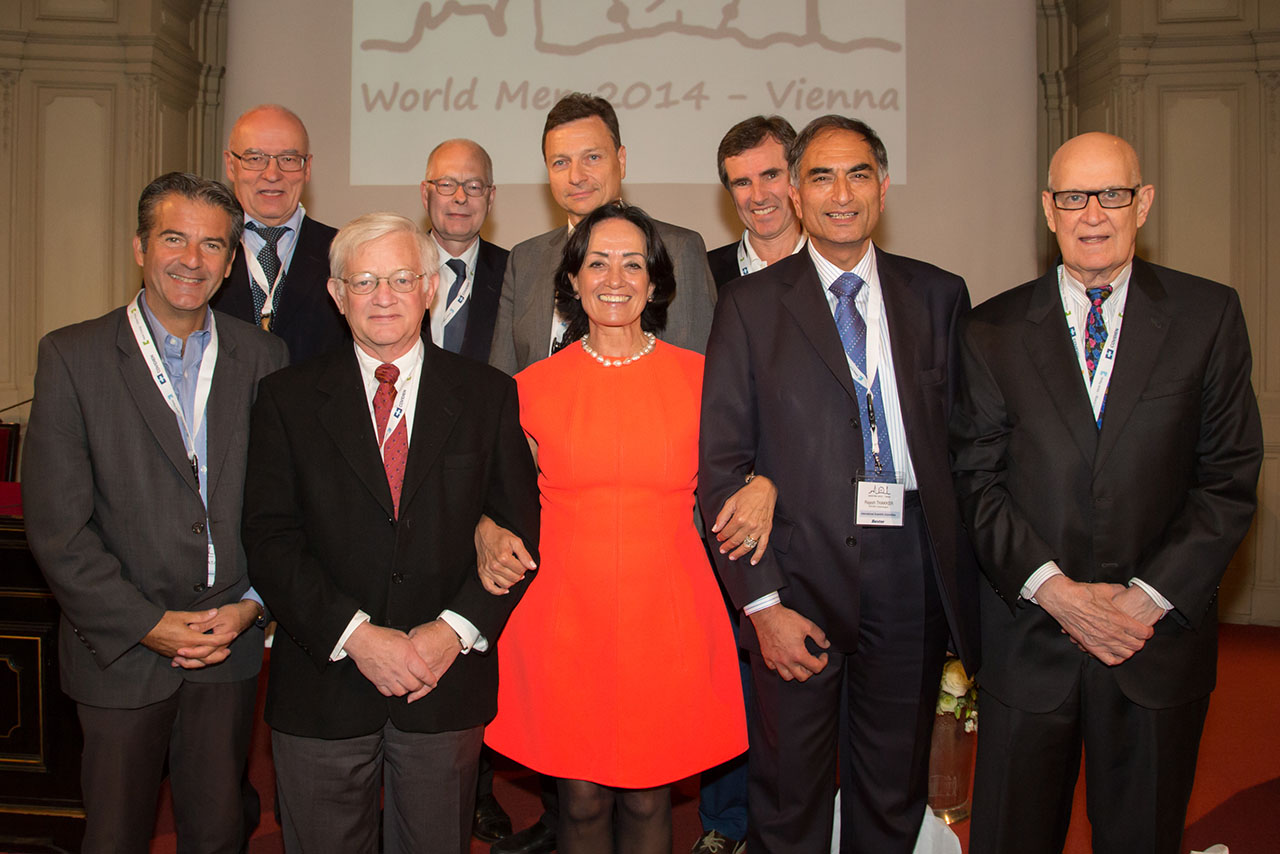
Group Portrait with Lady – WorldMEN 2014 (Vienna)
29 September – 01 October 2016, Utrecht (The Netherlands)
The 15th International Workshop on Multiple Endocrine Neoplasia
Year: 2016 | Location: Utrecht (The Netherlands) | Sponsoring institution: Utrecht University | Organizer: Gerloff Valk
27-29 March 2019, Houston (USA)
The 16th International Workshop on Multiple Endocrine Neoplasia
Year: 2019 | Location: Houston (USA) | Sponsoring institution: University of Texas MD Anderson Cancer Center | Organizer: Elizabeth Grubbs, Robert Gagel, Daniel Halperin, Steven Waguespack
29-30 April 2021, Marseille (France)
The 17th International Workshop on Multiple Endocrine Neoplasia
Year: 2021 | Location: Marseille (France) | Sponsoring institution: Aix-Marseille Université | Organizer: Frederic Castinetti
26-28 April 2023, Marseille (France)
The 18th International Workshop on Multiple Endocrine Neoplasia & other Rare Endocrine Tumors
Year: 2023 | Location: Marseille (France) | Sponsoring institution: Aix-Marseille Université | Organizer: Frederic Castinetti
16-17 June 2025, Sao Paulo (Brazil)
The 19th International Workshop on Multiple Endocrine Neoplasia
Year: 2025 | Location: Sao Paulo (Brazil) | Sponsoring institution: ICESP/University of São Paulo | Organizer: Ana O. Hoff
TThe first Multiple Endocrine Neoplasia (MEN) Meeting took place in Canada in 1984. At that time, the event aimed to involve the scientific community, including the world’s leading experts on MEN, in research to discover the genes involved in MEN syndromes. Indeed, this effort led to the discovery, a few years later, of the RET and MEN1 genes.
Through ongoing collaborations and intense discussions on clinically significant aspects of MEN syndromes, the efforts of this group have been translated into a series of highly referenced articles, consensuses, and guidelines. Furthermore, the focus was expanded to include other neuroendocrine tumors, either sporadic or associated with other hereditary syndromes.
This is a multidisciplinary meeting that brings together basic scientists, geneticists, endocrinologists, oncologists, surgeons, pathologists, gastroenterologists, radiologists and nuclear medicine physicians with the aim of updating current knowledge, discussing ongoing challenges and defining new diagnostic and treatment requirements.
In 2025, with the aim of expanding borders and global collaboration, the meeting will take place in São Paulo, Brazil. We will rely on the experience of the International Scientific Committee and a local scientific committee composed of Brazilian specialists in pituitary, adrenal, parathyroid, pancreas and thyroid tumors.